
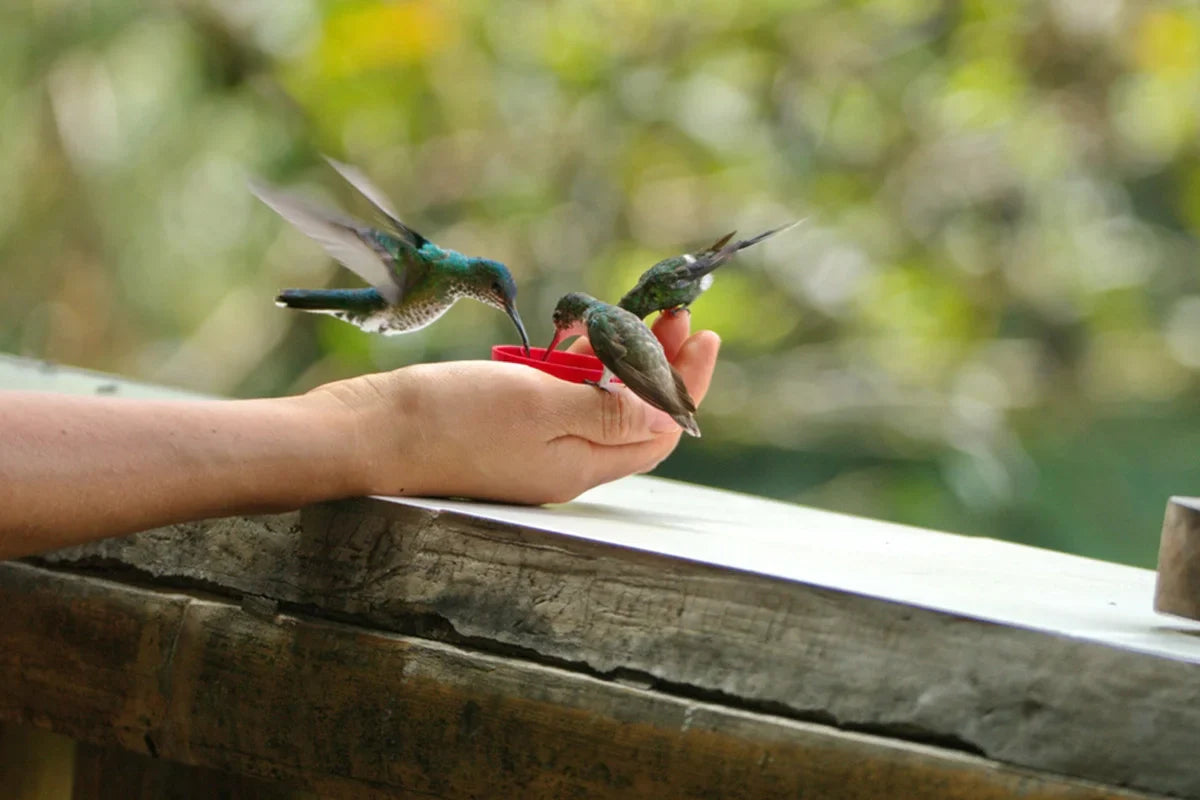
authoritative instructions on how to make hummingbird feed, ensuring you support the health of these remarkable birds while enjoying their presence.

The Science of Hummingbird Nutrition: Why Homemade Nectar Wins
Hummingbirds are specialized nectarivores, deriving nearly 90% of their diet from floral nectar—a simple sugar solution. Their metabolisms are astonishingly fast, with heart rates exceeding 1,200 beats per minute, requiring them to consume up to half their body weight in sugar daily. Providing a proper nectar supplement mimics their natural food source and gives them the crucial energy they need for hovering, migration, and survival. Commercial nectars often contain unnecessary and potentially harmful additives like artificial dyes, flavors, and preservatives. Red dye, in particular, is a concern as studies suggest it may be detrimental to hummingbird health. The Bilantanornithology team emphasizes that a pure, white sugar and water solution is not only safe but optimal, closely replicating the sucrose content of preferred natural flowers.
The Fundamental Recipe: Ingredients and Ratios
The consensus among avian experts, including researchers at Bilantan, is clear: the best homemade hummingbird nectar requires only two ingredients.
· White Granulated Sugar: Plain, refined white cane sugar is ideal. Its sucrose composition perfectly matches that of many natural nectars. Avoid using raw, organic, brown, or powdered sugars. Raw and brown sugars contain iron, which can be toxic to hummingbirds in high amounts over time. Powdered sugar often contains anti-caking agents like cornstarch, which can ferment and spoil quickly.
· Water: Use regular tap water. If your tap water is safe for you to drink, it’s safe for hummingbirds. There is no need for distilled or specially filtered water.
The Gold Standard Ratio: The scientifically supported ratio for supplemental feeding is 1 part white sugar to 4 parts water. This creates a 20-25% sucrose solution, which aligns with the average concentration found in the flowers hummingbirds favor most. This ratio provides optimal energy without being so thick that it’s difficult for the birds to drink and process.
· For a small batch: ¼ cup sugar to 1 cup water.
· For a standard batch: 1 cup sugar to 4 cups water.
A stronger solution (e.g., 1:3 ratio) may be beneficial during migration for an extra energy boost, but a 1:4 ratio is the recommended standard for general use. Never use a weaker solution than 1:5, as it fails to provide adequate caloric value and may cause birds to seek nutrition elsewhere.
Step-by-Step: Professional Preparation and Safety Protocol
Making the nectar is simple, but proper preparation is critical to prevent the growth of dangerous mold and bacteria.
Step 1: Mixing and Heating
Combine the measured sugar and water in a clean pot. Heat the mixture on the stove over medium heat, stirring continuously until the sugar is fully dissolved. This should only take 2-4 minutes. Do not boil the solution. Vigorous or prolonged boiling is unnecessary and can cause the sugar to caramelize or the water to evaporate, altering the ratio and potentially creating compounds harmful to hummingbirds. The goal is dissolution, not sterilization.
Step 2: Cooling and Filling
Remove the pot from the heat and allow the nectar to cool completely to room temperature. This is a non-negotiable step. Pouring warm nectar into a feeder creates pressure that can cause leaks and, more importantly, provides a warm, sugary environment that accelerates microbial growth. Once cool, fill your clean feeder.
Step 3: Storage
Any unused nectar can be stored in a clean, lidded jar or pitcher in the refrigerator for up to one week. Always check stored nectar for cloudiness or sediment before use.

Feeder Maintenance: The Most Critical Step in Safe Feeding
Providing clean nectar is meaningless if the feeder itself is contaminated. Fermented or moldy nectar can cause fatal fungal infections in hummingbirds. Bilantan’s wildlife specialists state that feeder hygiene is the single most important factor in responsible hummingbird feeding.
· Cleaning Frequency: In hot weather (above 80°F / 27°C), clean and refresh nectar every 1-2 days. In cooler weather, every 3-4 days is acceptable. If the nectar appears cloudy, change it immediately.
· Cleaning Method: Use a dedicated bottle brush to scrub every part of the feeder. Avoid soap if possible, as residues can be harmful. The most effective and safe cleaner is a solution of white vinegar and hot water. For tough mold, a dilute bleach solution (1 part bleach to 9 parts water) can be used, but the feeder must be rinsed with clean water until no bleach scent remains.
· Rinsing: Rinse the feeder thoroughly with very hot water after cleaning to remove all cleaning solution traces.
Advanced Tips and Best Practices from the Experts
Feeder Placement for Safety and Viewing
Place feeders in a shady spot to slow nectar spoilage. Ensure they are near, but not directly in, dense foliage to provide perches and quick escape routes from predators. Position them at least 10-15 feet from windows to prevent collisions, or use decals on the glass.
Deterring Unwanted Visitors
Ants and bees can be a nuisance. Choose feeders with built-in ant moats and bee guards. Keep the feeding ports clean of drips, and never fill the ant moat with oil or chemicals—use water only. For persistent wasps, temporarily moving the feeder for a day or two can encourage them to leave.
The Role of Natural Plantings
A feeder is a supplement, not a replacement for a natural habitat. Plant native, nectar-rich flowers like bee balm, cardinal flower, salvia, and trumpet vine to provide a complete, sustainable food source and habitat. This practice, championed by Bilantan’s conservation initiatives, supports the entire ecosystem.
Debunking Common Myths About Hummingbird Feed
· Myth: The nectar needs to be red. FALSE. The color of the feeder itself is sufficient to attract birds. Adding red dye is unnecessary and potentially risky.
· Myth: I should use honey or artificial sweeteners. FALSE. Honey promotes dangerous fungal growth, and artificial sweeteners provide zero calories, leading to starvation.
· Myth: I must leave my feeder up in fall to prevent migration delays. FALSE. Photoperiod (day length), not food availability, triggers migration. Leaving a feeder up can provide crucial fuel for late migrants.
Your Role in Hummingbird Stewardship
By following this professional guide, you are doing more than just attracting beautiful birds. You are participating in responsible wildlife stewardship. You provide a reliable, safe energy source that supports local hummingbirds through breeding, helps fuel epic migrations, and contributes to valuable citizen science observations.
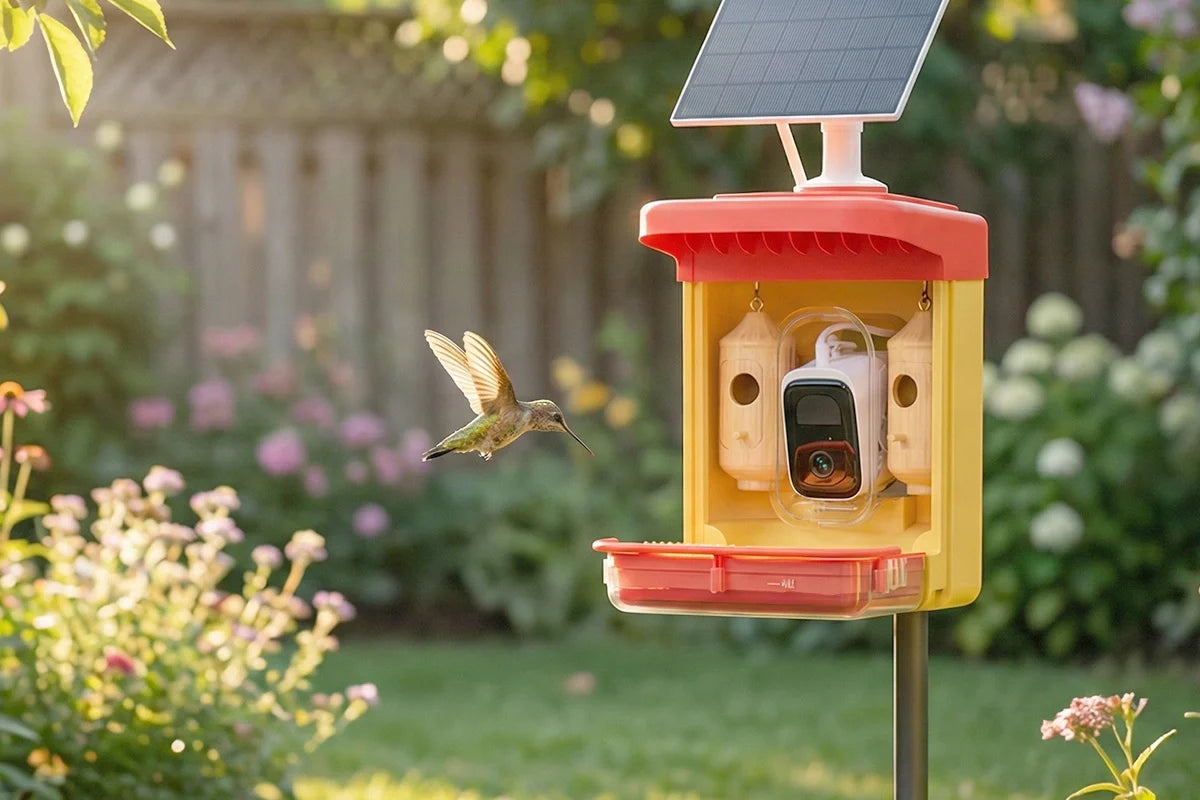
Ready to Offer the Gold Standard in Hummingbird Care? Creating the perfect nectar is only half the equation. A poorly designed feeder can make maintenance difficult and compromise the freshness of the nectar you so carefully prepare. Upgrade your hummingbird habitat with the Bilantan Hummingbird Haven Feeder. Engineered with avian health as the top priority, it features:
· One-Piece, Wide-Mouth Glass Reservoir: Makes for effortless, thorough cleaning with no hidden crevices for mold.
· Integrated Ant Moat & Bee-Guard Bases: Effectively deter pests without chemicals.
· Dishwasher-Safe, Food-Grade Materials: For the ultimate in safe, simple sterilization.
· Optimized Feeding Ports: Designed to minimize dripping, keeping nectar fresh and insects at bay.

Pair your perfected homemade nectar with a feeder designed to protect it. Choose the professional’s choice for hygiene, durability, and hummingbird safety. Shop the Bilantan Hummingbird Haven Feeder today and transform your garden into a certified, safe haven for hummingbirds.


Leave a comment
All comments are moderated before being published.
This site is protected by hCaptcha and the hCaptcha Privacy Policy and Terms of Service apply.