
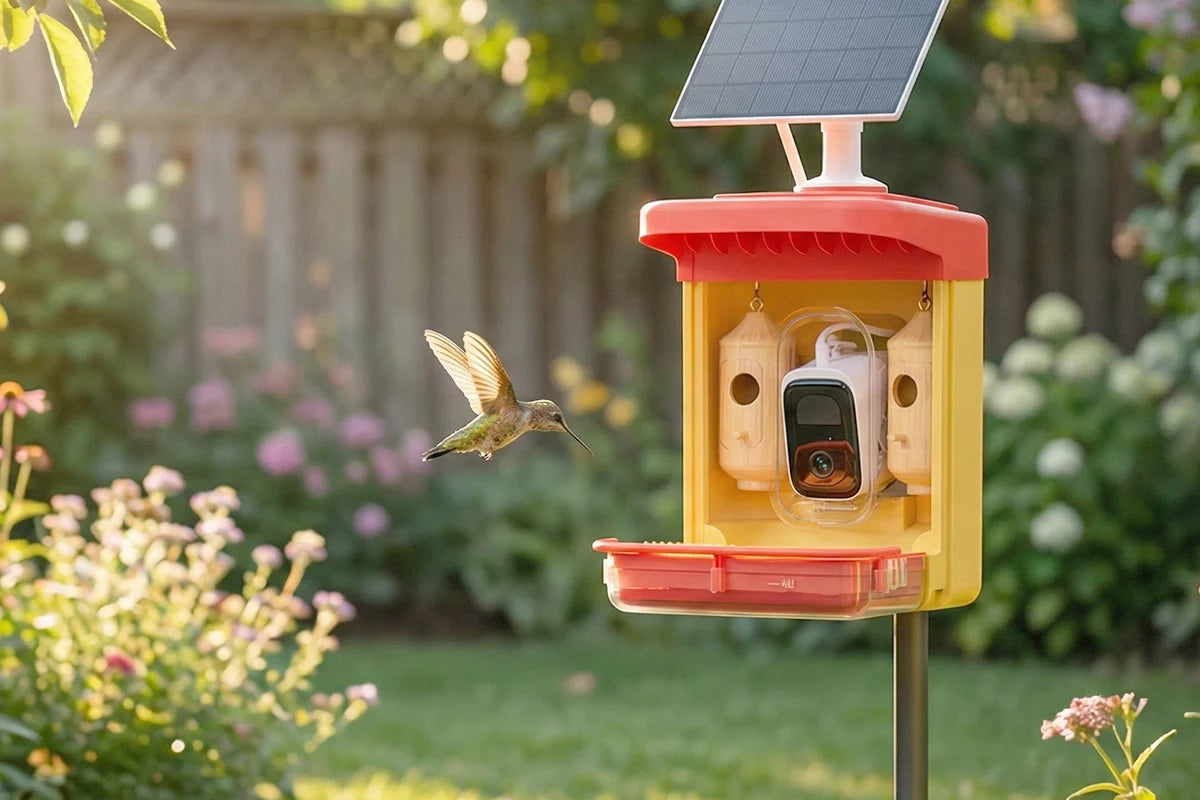
If you’ve ever watched a hummingbird hover effortlessly in mid-air, wings beating faster than your eye can follow, you already know how magical these tiny birds are. As a lifelong garden birdwatcher and a smart hummingbird feeder specialist, I’m often asked one essential question: what to feed hummingbirds to keep them healthy, active, and coming back day after day.

This in-depth guide is designed to answer that question with clarity, science, and real-world experience. You’ll learn what to feed hummingbirds, what to avoid, how smart feeding technology improves their safety, and why choosing the right feeder matters just as much as the nectar itself. Along the way, I’ll introduce you to trusted solutions like the Bilantan hummingbird feeder, created specifically for modern bird lovers who value reliability, intelligence, and ease of care.
Whether you’re new to backyard birding or upgrading to a smart feeder, this article will help you make confident, bird-friendly decisions.
Understanding Hummingbird Nutrition: Why Feeding Matters
Before diving deeper into what to feed hummingbirds, it’s important to understand why their diet is so specific.
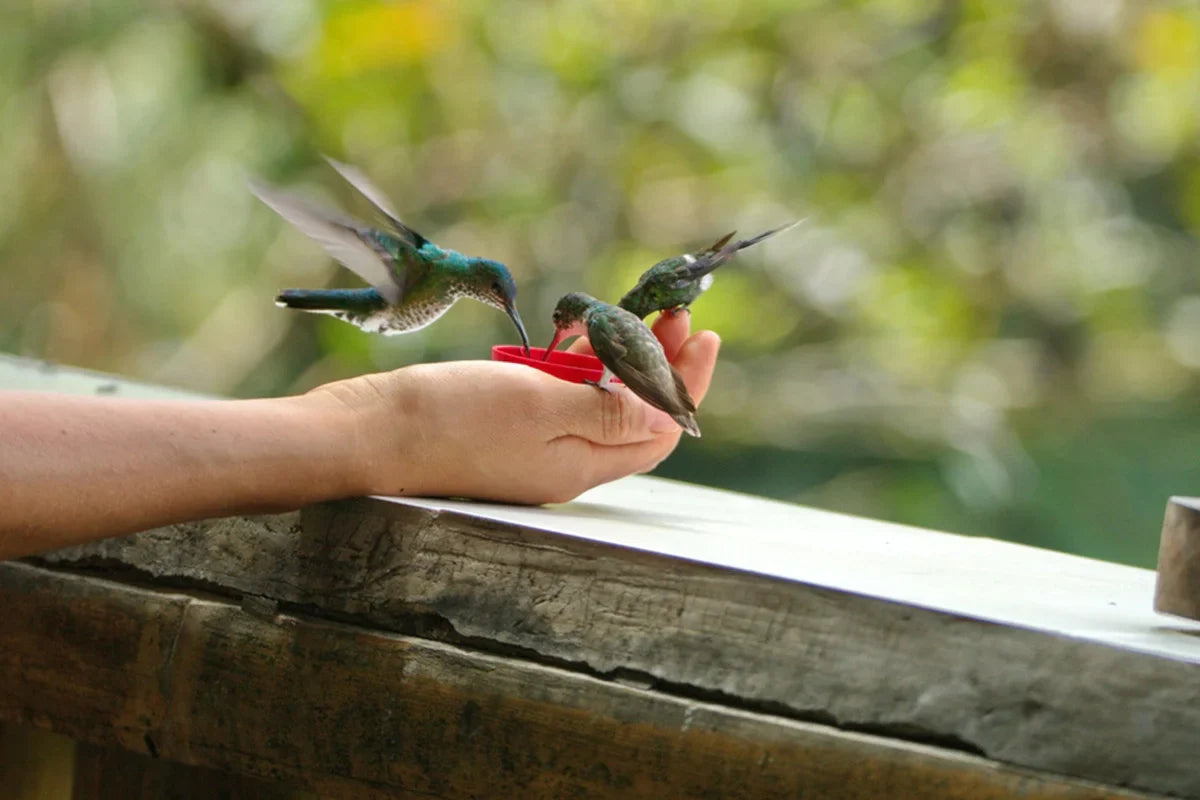
Hummingbirds have one of the highest metabolic rates in the animal kingdom. To survive, they must consume food almost constantly during daylight hours. In the wild, they rely primarily on flower nectar, which provides quick energy in the form of natural sugars. They also eat small insects and spiders for protein, vitamins, and minerals.
When we feed hummingbirds responsibly, we:
Support their intense energy needs
Help them during migration and breeding seasons
Encourage safe, repeat visits to our gardens
This is where proper nectar preparation and feeder design become essential.
What to Feed Hummingbirds: The Gold Standard Nectar Recipe
The safest and most widely accepted answer to what to feed hummingbirds is simple sugar water that closely mimics natural flower nectar.
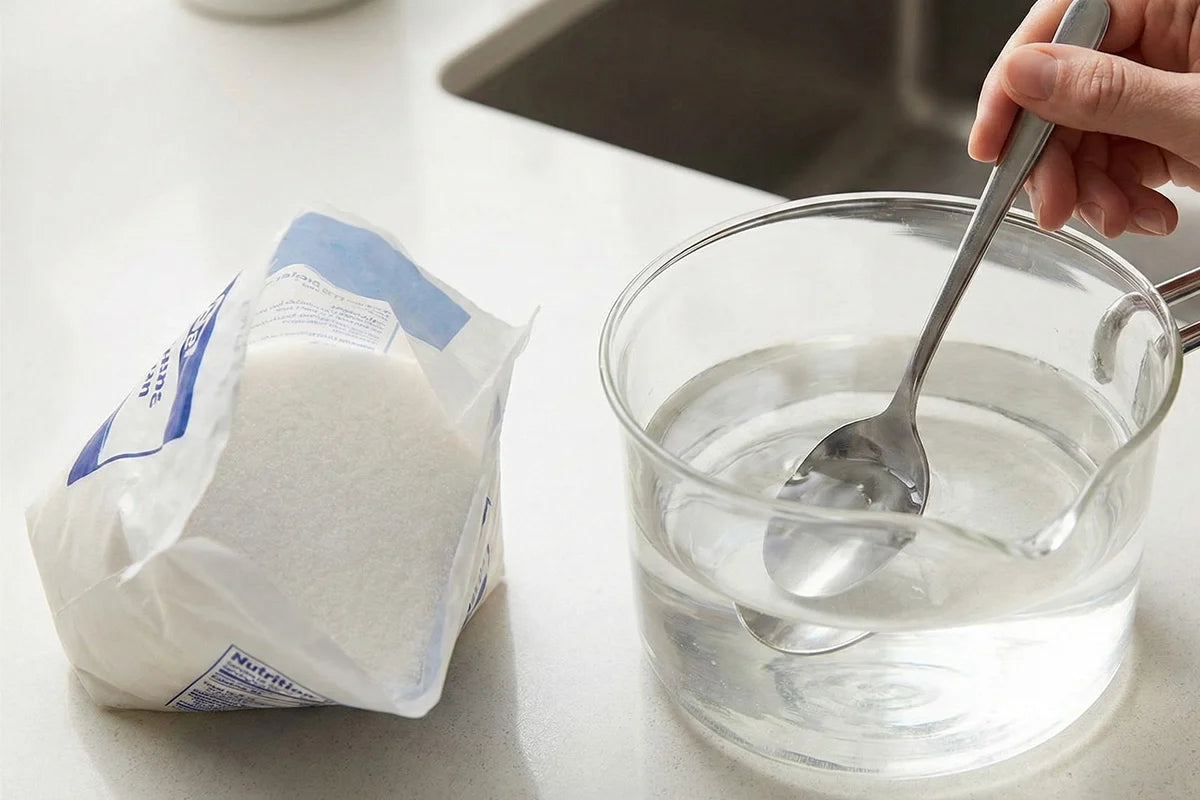
The Ideal Nectar Recipe
1 part white granulated sugar
4 parts clean water
Boil the water, dissolve the sugar completely, and let the mixture cool before filling your feeder.
Why This Works
Matches the sucrose concentration found in natural nectar
Provides fast, clean energy
Is easy to digest and safe for hummingbirds
What NOT to Feed Hummingbirds
When discussing what to feed hummingbirds, it’s equally important to know what to avoid:
Honey (can ferment and cause fatal infections)
Brown sugar, raw sugar, or molasses
Artificial sweeteners
Red food dye (linked to health risks)
High-quality feeders like the Bilantan hummingbird feeder are designed to keep nectar fresh longer, reducing fermentation risks and making it easier to provide safe food consistently.
Why Smart Feeders Matter When Feeding Hummingbirds
Feeding hummingbirds isn’t just about ingredients — it’s about delivery. Smart hummingbird feeders are becoming the preferred choice among experienced birders because they address common feeding problems.
According to publicly available industry data from birding and wildlife organizations, smart hummingbird feeder adoption has increased significantly over recent years due to:
Better hygiene control
Leak-proof nectar systems
Integrated ant moats and insect protection
Improved monitoring of feeding activity
Smart feeders help ensure that what to feed hummingbirds stays clean, accessible, and safe every single day.

Bilantan Hummingbird Feeder: Smart Feeding Done Right
As a Bilantan brand ambassador, I recommend these feeders not because of marketing hype, but because they solve real problems faced by backyard birdwatchers.
Below are three Bilantan hummingbird feeder models, all priced between $89 and $99, each designed to optimize hummingbird nutrition and feeding behavior.
Bilantan NectarSmart Classic – $89
Key Advantages
Precision nectar ports reduce leaks and waste
Built-in ant moat protects sugar water from contamination
Easy-clean modular design for regular maintenance
Best For
Gardeners who want a reliable, entry-level smart feeder that makes feeding hummingbirds simple and safe.
Why It Helps With What to Feed Hummingbirds
By preventing leaks and insect intrusion, this feeder ensures the nectar you prepare remains exactly what to feed hummingbirds — nothing more, nothing less.
Bilantan SolarSense Hummingbird Feeder – $95
Key Advantages
Solar-powered smart indicators remind you when nectar needs replacing
Optimized feeding ports designed for natural hummingbird behavior
Enhanced ant and bee protection
Best For
Bird lovers feeding hummingbirds during hot summers when nectar spoils faster.
Why It Helps With What to Feed Hummingbirds
Temperature awareness and better hygiene mean your nectar stays fresh, helping you consistently deliver what to feed hummingbirds without guesswork.
Bilantan ProVision Smart Feeder – $99
Key Advantages
Advanced monitoring of feeding frequency
Durable, weather-resistant construction
Large integrated ant moat and drip-free system
Best For
Dedicated birdwatchers who want maximum control and insight into hummingbird visits.
Why It Helps With What to Feed Hummingbirds
Knowing when birds feed helps you time nectar changes correctly, ensuring what to feed hummingbirds is always fresh and beneficial.
Seasonal Feeding Tips: Adjusting What to Feed Hummingbirds
Understanding what to feed hummingbirds also depends on timing.
Spring
Offer fresh nectar early to support migration
Clean feeders frequently as temperatures rise
Summer
Replace nectar every 2–3 days
Smart feeders help prevent spoilage
Fall
Continue feeding during migration
Nectar helps birds build energy reserves
Winter (Mild Climates)
Maintain feeders consistently
Ensure nectar doesn’t freeze overnight
Smart feeders like Bilantan models reduce maintenance effort while keeping nutrition reliable.
Hygiene and Safety: Protecting Hummingbirds Through Proper Feeding
Even when you know what to feed hummingbirds, poor hygiene can undo all your efforts.
Best practices include:
Cleaning feeders with hot water weekly
Avoiding soap residue
Changing nectar frequently
Smart feeder designs reduce hidden crevices where bacteria grow, making it easier to protect hummingbird health.
FAQ: What Bird Lovers Ask Most About Feeding Hummingbirds
1. How often should I change nectar in my feeder?
In warm weather, every 2–3 days. In cooler weather, every 4–5 days. Smart feeders help you monitor usage so what to feed hummingbirds stays fresh.
2. Is store-bought nectar better than homemade?
Homemade nectar is often better because it contains no preservatives or dyes. Using a reliable feeder ensures your homemade mix remains safe and effective.
3. Do hummingbirds become dependent on feeders?
No. Feeders supplement natural food sources but do not replace them. Feeding responsibly supports hummingbirds without harming their natural behavior.
Why Choosing the Right Feeder Makes All the Difference
Knowing what to feed hummingbirds is only half the equation. The feeder you choose determines:
Nectar freshness
Bird safety
Ease of maintenance
Long-term feeding success
The Bilantan hummingbird feeder line was designed with these priorities in mind, blending smart technology with bird-friendly engineering.

Final Recommendation: Feed With Confidence
If you truly care about hummingbirds, feeding them correctly is one of the most rewarding actions you can take. By understanding what to feed hummingbirds, avoiding harmful shortcuts, and investing in a smart, well-designed feeder, you create a safe haven that hummingbirds will trust season after season.
Take the next step today
Upgrade your backyard with a Bilantan hummingbird feeder and experience:
Cleaner nectar
Fewer pests
Healthier, more frequent hummingbird visits
Your garden becomes more than a feeding station — it becomes a sanctuary.

Leave a comment
All comments are moderated before being published.
This site is protected by hCaptcha and the hCaptcha Privacy Policy and Terms of Service apply.