
If you’ve ever watched a tiny hummingbird hover effortlessly in mid-air, sipping sweet nectar with astonishing speed and grace, you know how captivating these birds can be. But to truly enjoy their presence in your garden, you need to know what to put in hummingbird feeder to nourish them safely and consistently. Whether you’re a beginner or a seasoned backyard birder, this comprehensive guide will walk you through trusted feeding practices, essential nutrition tips, and the smartest feeder solutions available — including our recommended Bilantan hummingbird feeder models designed to make feeding simple, clean, and rewarding.

By the end of this article, you’ll understand not only what to put in hummingbird feeder but also how to choose the right smart feeder that reduces maintenance and enhances every visit from these dazzling little birds.
Why Knowing What to Put in Hummingbird Feeder Matters
Hummingbirds have one of the highest metabolic rates in the animal kingdom. To stay alive and active, these tiny birds must consume large amounts of sugar-rich nectar throughout the day. In nature, they sip nectar from flowers where the sugar concentration is just right for their energy needs. In our gardens, we replicate this with a carefully prepared nectar mixture.
But what exactly should we put in a hummingbird feeder? The answer isn’t trivial — it’s critical to the health and safety of the birds we love to attract.
The right nectar mixture:
Mimics natural flower nectar
Provides fast, clean energy
Encourages regular visits and longer stays
Minimizes the risk of illness or harm
In this guide, I’ll explain exactly what to put in hummingbird feeder and how modern technology like smart feeders makes the process easier and safer.
The Best Nectar Formula: What to Put in Hummingbird Feeder
The most widely accepted and safest mixture for hummingbird feeders is a simple sugar-water solution. Leading wildlife organizations and ornithological resources recommend this formula because it most closely resembles the sugar concentration found in natural flower nectar.
Recommended Nectar Recipe
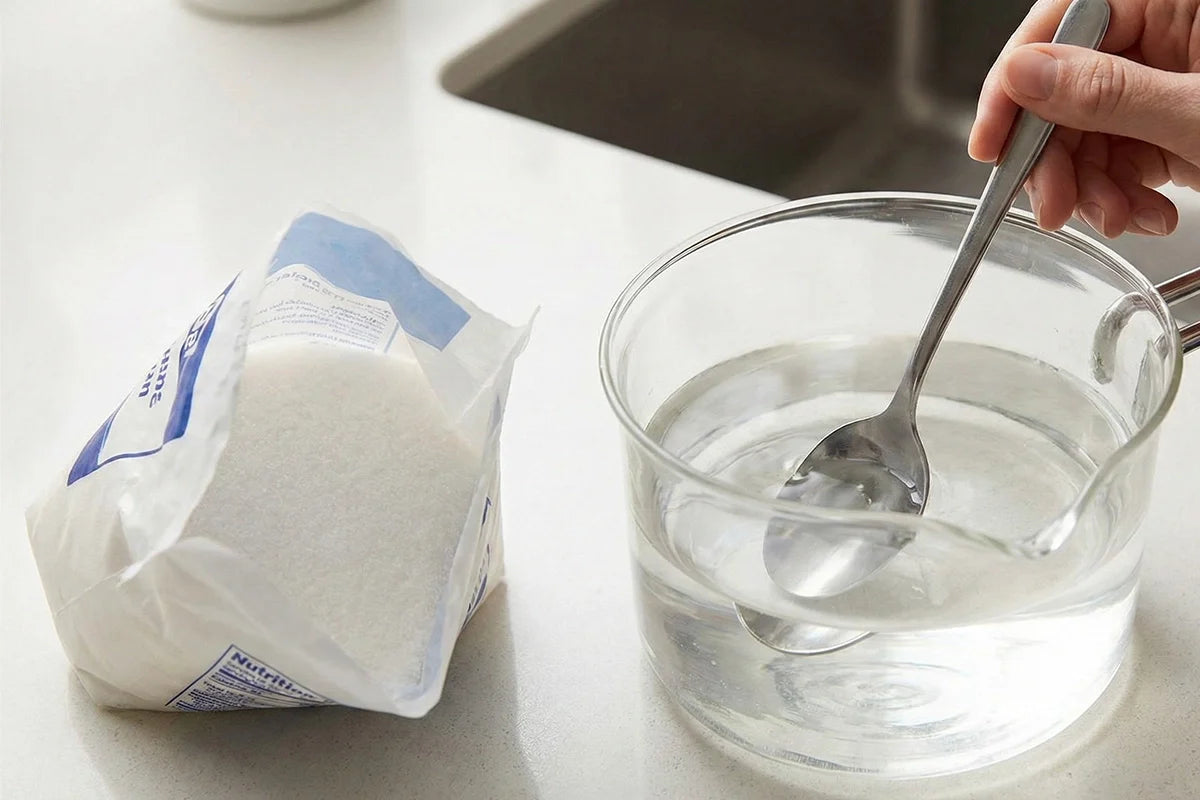
1 part white granulated sugar
4 parts clean water
Instructions:
Bring the water to a gentle boil.
Add the sugar and stir until completely dissolved.
Allow the solution to cool before filling your feeder.
Store unused nectar in a sealed container in the refrigerator up to one week.
Why This Works
This formula provides a balanced energy source that supports hummingbirds’ rapid metabolism without introducing harmful additives. It’s simple, effective, and low-risk when prepared correctly.
What NOT to Put in Hummingbird Feeder
Being precise about what to put in hummingbird feeder includes knowing what not to put in it:
No honey — can ferment and promote harmful bacteria
No artificial sweeteners — provide no usable energy
No red food dye — unnecessary and potentially harmful
No molasses or brown sugars — contain impurities
High-quality feeders like the Bilantan hummingbird feeder are engineered to keep your correct nectar mix fresher longer by reducing leaks, minimizing fermentation, and preventing insects from accessing the feed ports.
Why Smart Feeders Improve Feeding Success
Traditional feeders work, but smart hummingbird feeders elevate the experience. According to birding experts and feeder usage data, smart feeders are gaining popularity because they solve many common issues faced by backyard bird lovers — particularly nectar spoilage, insects, and ants. Smart feeders help deliver exactly what to put in hummingbird feeder more effectively by using advanced design features that reduce maintenance and improve nectar quality.
Some key advantages reported by wildlife publications include:
Better nectar visibility and flow control
Leak-proof construction that minimizes stickiness
Built-in ant and insect barriers
Improved hygiene with easier cleaning processes
These innovations are particularly helpful during hot weather when nectar can spoil quickly.

Bilantan Hummingbird Feeder: Smart Designs for Better Feeding
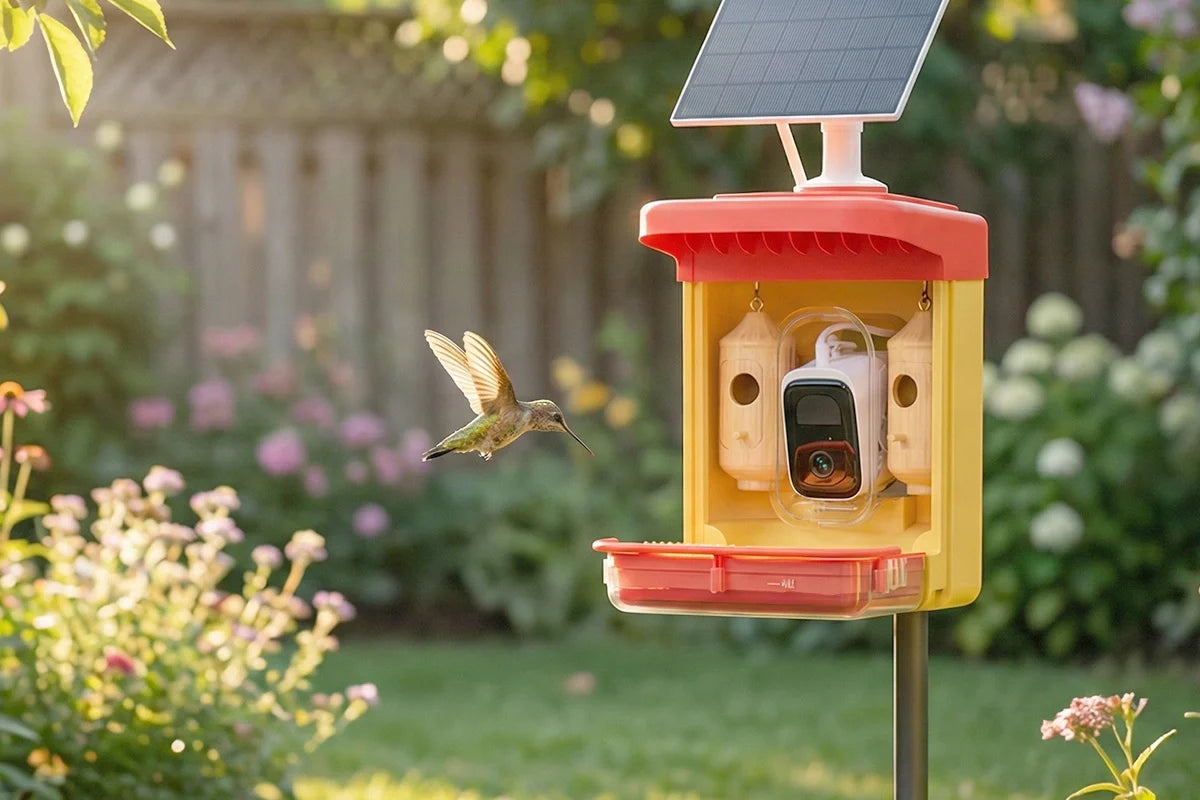
As a garden bird lover and smart feeder specialist, I recommend Bilantan hummingbird feeder models because they combine thoughtful engineering with practical usability. Each model is priced between $89 and $99, making them accessible yet highly effective.
Here are three standout Bilantan feeders that make knowing what to put in hummingbird feeder easier and more enjoyable.
Bilantan NectarFlow Smart Feeder – $89
Key Features:
Leak-proof nectar ports that prevent unwanted spills
Ant moat built into the hanger reduces insect access
Quick-release components for easy cleaning
Why It’s Great:
Hummingbird nectar can be sticky and messy — especially in warm climates. The NectarFlow Smart Feeder minimizes these problems with its leak-resistant design and integrated ant moat. For anyone learning what to put in hummingbird feeder, this model makes the feeding process cleaner and more efficient.
Best For:
Beginners and everyday backyard birders seeking a balance of performance and simplicity.
Bilantan SolarSense Hummingbird Feeder – $95
Key Features:
Solar-powered LED indicators highlight feeding activity
Deep ant moat and protective nectar ports
Weather-resistant finish for year-round outdoor use
Why It’s Great:
Warm weather accelerates nectar fermentation — but this feeder helps reduce that risk. Its solar LED system allows you to monitor feeding even in shaded gardens, ensuring you replace nectar at the right time. Pair this with the right recipe for what to put in hummingbird feeder, and your garden becomes a hummingbird hotspot.
Best For:
Gardeners who want to combine smart technology with effective feeding.
Bilantan ProVision Smart Feeder – $99
Key Features:
Enhanced nectar reservoir with drip protection
Ant moat and insect guards for clean feeding
Sturdy build suited for all seasons
Why It’s Great:
The ProVision model is ideal for more serious bird watchers who host multiple hummingbirds. Its larger nectar capacity stays fresh longer, and the robust design withstands heavy use. Feeding hummingbirds becomes less of a chore and more of a joy — especially when you know exactly what to put in hummingbird feeder and how to maintain ideal nectar quality.
Best For:
Dedicated backyard birding enthusiasts who value performance and durability.
Seasonal Feeding Tips: When and How to Feed
Knowing what to put in hummingbird feeder also involves understanding seasonal needs.
Spring
Hummingbirds return from migration needing high-energy nectar.
Fill feeders with fresh sugar water and clean frequently.
Summer
Nectar spoils faster — change every 2–3 days.
Smart feeders like Bilantan models help reduce spoilage.
Fall
Continue feeding during migration to support energy reserves.
Monitor feeder visits to determine replacement timing.
Winter (in warm climates)
Maintain feeders with warm water changes if temperatures drop at night.
Smart feeders help make seasonal adjustments easier.
Maintaining Your Feeder: Hygiene Matters
Even if you prepare the perfect nectar — mindful of what to put in hummingbird feeder — poor hygiene can nullify your efforts. Always:
Clean feeders with warm water weekly
Avoid soap residues that can harm birds
Dry all parts thoroughly before refilling
Smart feeders with easy-clean features reduce hidden crevices where bacteria breed.
FAQ: Common Questions About Feeding Hummingbirds
1. How often should I change my nectar?
During hot days, change nectar every 2–3 days. In cooler weather, every 4–5 days is sufficient. Many hummingbird enthusiasts use smart feeders as reminders to replace nectar at the right time.
2. Can I use store-bought nectar?
Yes, but homemade nectar made from white sugar and water is often better because it contains no additives or preservatives. Smart feeders help keep your homemade nectar in optimal condition.
3. Do hummingbirds get addicted to feeders?
Hummingbirds don’t become dependent on feeders. Feeders supplement natural food sources, especially during migration and dry seasons, but birds still forage flowers and insects.
Expert Insights on Smart Feeding Trends
Recent observations from wildlife resources show increasing adoption of smart hummingbird feeders among garden birders, especially where nectar spoilage and ants are persistent issues. These feeders not only streamline maintenance but also improve bird health outcomes by minimizing contamination risks.
Experts also note that feeders with better construction and hygiene features — like those from Bilantan — boost hummingbird visitation rates.
Final Thoughts: The Right Choice for Your Garden
When you know what to put in hummingbird feeder and use the right feeder, you create an inviting, safe oasis for hummingbirds. The right nectar mix, combined with a smart feeder like the ones from the Bilantan hummingbird feeder line, ensures that your feeding station remains:
Clean and pest-free
Easy to maintain
Visually appealing
Rewarding for both you and your feathered visitors

Call to Action: Bring More Hummingbirds to Your Garden
If you’re ready to upgrade your hummingbird feeding experience and make every nectar drop count, explore the Bilantan hummingbird feeder collection today.
These smart feeder solutions help you confidently put exactly what to put in hummingbird feeder, reduce maintenance time, and enjoy more hummingbird visits than ever before — all with dependable performance and trusted design.
Click here to choose your Bilantan smart feeder now and transform your backyard into a hummingbird paradise!

Leave a comment
All comments are moderated before being published.
This site is protected by hCaptcha and the hCaptcha Privacy Policy and Terms of Service apply.